Interior Solutions
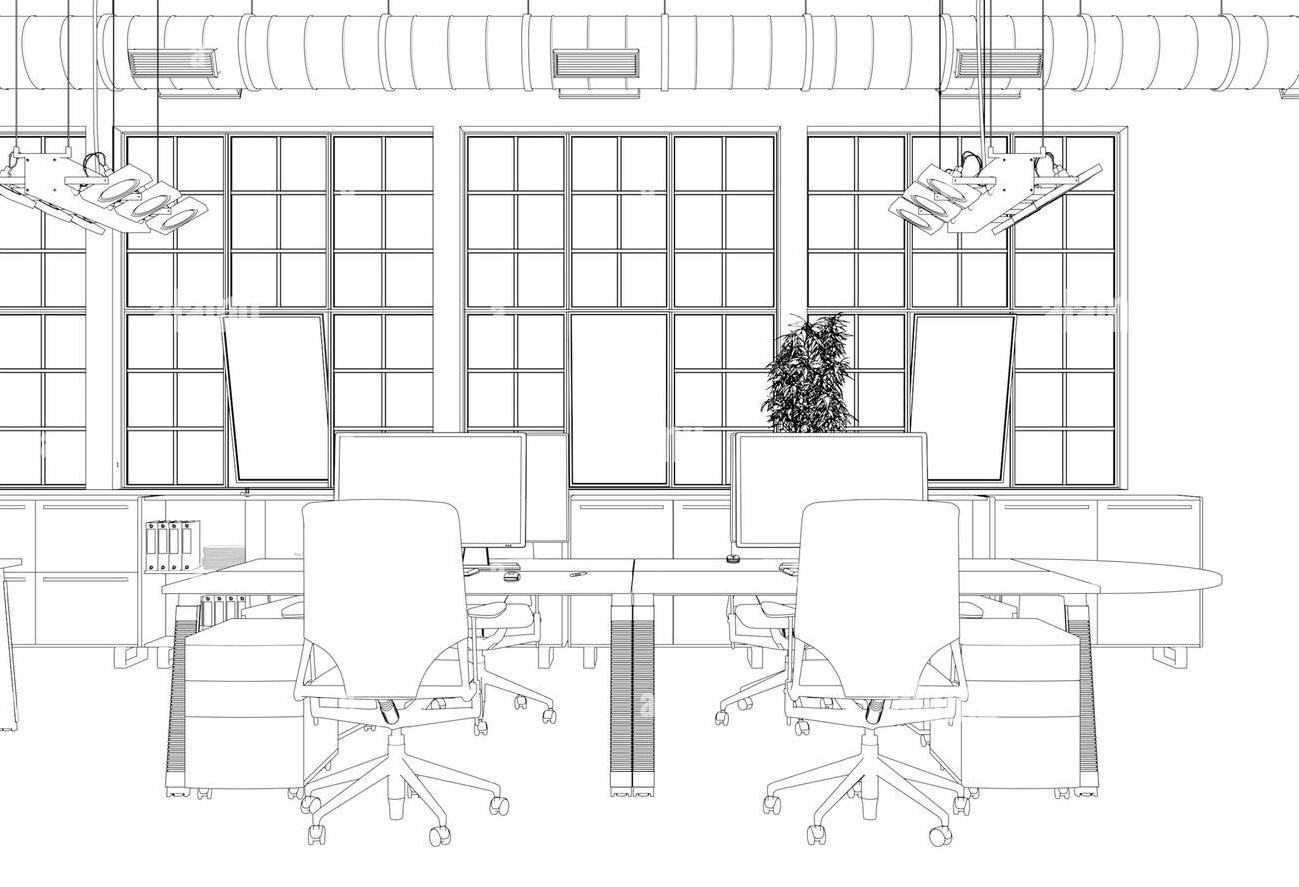
COMMERCIAL INTERIOR DESINING
1. Space Planning
- Efficiently utilizes available space for maximum productivity and comfort.
- Includes layout design for workstations, meeting rooms, customer areas, etc.
- Follows safety and accessibility guidelines (e.g., fire exits, disabled access).
2. Brand Identity Integration
- Interior design reflects the brand's personality, culture, and values.
- Use of brand colors, logos, and materials to maintain consistency across locations.
3. Functionality and Workflow
- Ensures smooth movement of staff and customers.
- Designs tailored for the specific operations of the business (e.g., open office vs. private cabins).
4. Lighting Design
- Uses a combination of natural and artificial lighting to enhance productivity and mood.
- Task lighting, ambient lighting, and accent lighting are carefully planned.
5. Material and Finish Selection
- Durable, easy-to-maintain materials suitable for high-traffic areas.
- Fire-retardant, moisture-resistant, and sustainable materials are preferred.
6. Furniture and Fixtures
- Ergonomic furniture for staff comfort and productivity.
- Custom or modular furniture solutions to suit business needs.
7. Technology Integration
- Smart office systems, security, HVAC integration, and IoT-enabled devices.
- Structured cabling, audio-visual systems, and automation are considered during design.
8. Compliance and Safety
- Adherence to local building codes, fire safety norms, and accessibility standards.
- Includes proper ventilation, lighting, emergency exits, and safety signage.
Modern Collaborative Office Spaces
These are popular among startups, IT companies, creative agencies, and co-working spaces. The focus is on flexibility, teamwork, and innovation
• Open Floor Plans: Fewer enclosed cabins; shared desks and workstations to encourage interaction.
• Collaborative Zones: Lounge-style breakout areas, brainstorming pods, and open meeting spaces.
• Flexible Furniture: Modular and movable furniture for easy rearrangement based on team needs.
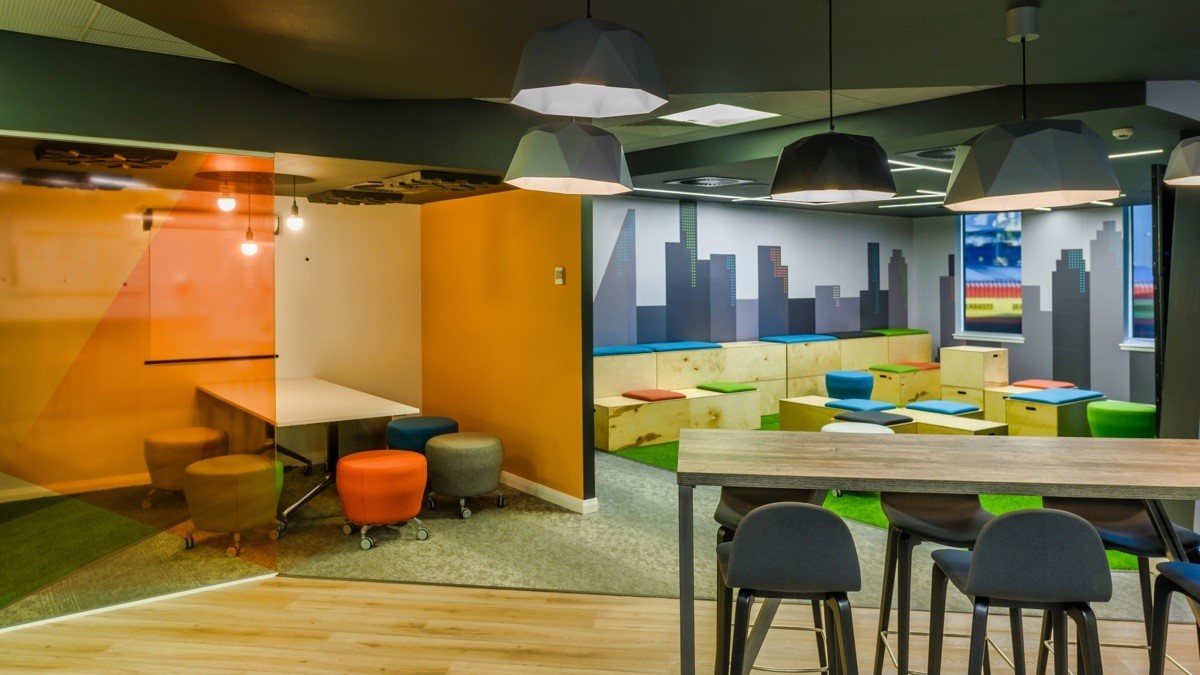
• Hot Desking: No fixed seating; employees pick any available desk when they arrive.
• Activity-Based Workspaces: Spaces designed for specific tasks – focus zones, call booths, team huddle areas.
• Technology Integration: Video conferencing tools, wireless charging stations, and interactive whiteboards.
• Creative Elements: Bold colors, murals, writable walls (whiteboard paint or glass), and inspirational quotes
Natural Light and Greenery: Maximized daylight, indoor plants, biophilic design for a healthier workspace. We provide a complete solutions for reception areas, executive cabins, workstation areas, common seating longue, Conference Halls and Auditorium Hall
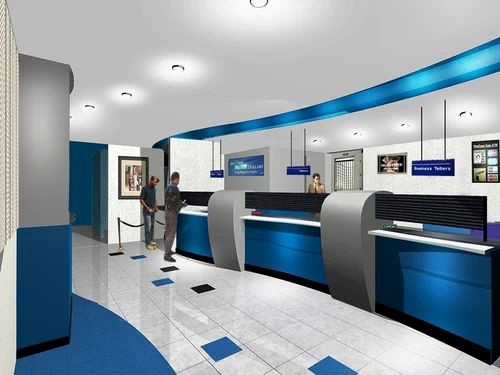
Interior Design for Banks & Financial Institutions
Design Objectives
- First point of contact for customers.
- Should be warm, welcoming, and clearly branded.
- Comfortable seating, token systems, digital display boards, and queue management.
- Branding through wall graphics, logo signage, and color schemes.
- Open or semi-private cubicles for customer interaction.
- Staff desks with computers, privacy screens, and storage.
- Glass partitions or low-height dividers offer both openness and privacy.
- Secure, bulletproof glass enclosures or partitioned counters.
- Anti-skid flooring, CCTV surveillance, and panic buttons.
- Queue rails to organize customer lines.
We provide complete solution for Reception & Waiting Area, Customer Service Desks, Teller Counters / Cash Handling Area, Loan/Investment Advisory Offices, Branch Manager's Cabin, ATM or Self-Service Zones, Back Office / Operations Room, Meeting/Training Rooms
Interior Design for Educational Institutions
Design Objectives
- Create a functional, safe, and accessible learning environment.
- Encourage focus, curiosity, and creativity through design.
- Provide spaces for collaboration and independent study.
- Ensure durability and ease of maintenance.
- Address age-specific needs (e.g., preschool vs. higher education).
- Durable and safe materials: Rounded edges, anti-skid flooring, and non-toxic paints.
- Easy to clean and maintain: Laminate surfaces, washable walls, and dust-proof storage.
- Color psychology: Use of bright, stimulating colors in primary schools, and muted tones in higher education for better concentration.
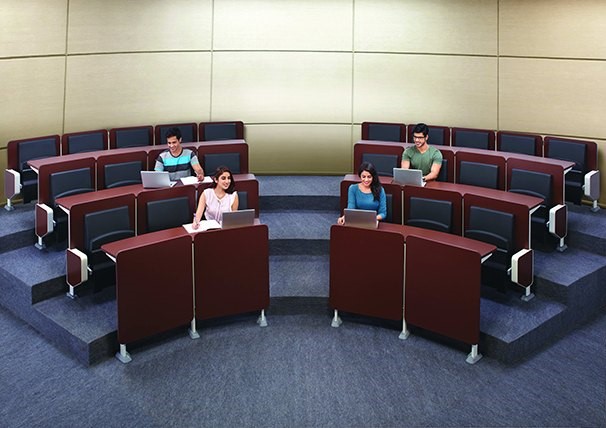
We provide a complete solutions for Classrooms, Library/Reading Zones, Laboratories (Science, Computer, etc.), Administration Offices, Common Areas & Corridors, Cafeteria / Dining Area, Outdoor & Activity Areas, Hostels
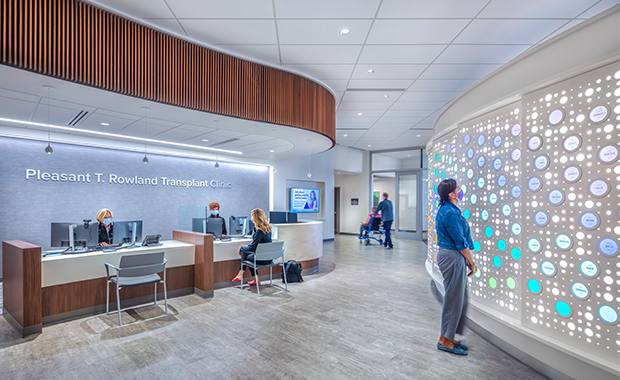
Interior Design for Hospitals and Clinics
Hospitals and clinics requires a careful balance of functionality, hygiene, safety, and emotional comfort. The goal is to create a space that supports efficient healthcare delivery while also providing a soothing and reassuring environment for patients, visitors, and medical staff.
Design Objectives
- Ensure strict hygiene and infection control.
- Promote calmness, healing, and comfort for patients.
- Support efficient workflows for medical professionals.
- Provide accessibility and safety for all age groups and abilities.
- Integrate technology, ventilation, and lighting seamlessly.
We provide a complete solutions for Reception & Waiting Area, Consultation Rooms, Examination Rooms, Patient Rooms / Wards, Operation Theaters (OTs), Diagnostics & Imaging, Pharmacy
Interior Design for Hotels
Hotels is all about creating an atmosphere that combines luxury, functionality, comfort, and brand personality. Every space — from the lobby to the guest rooms — must deliver a cohesive experience that makes guests feel welcome, pampered, and inspired to return.
Design Objectives
- Create a memorable first impression.
- Offer comfort, luxury, and convenience to all types of guests.
- Reflect the hotel’s brand identity and target clientele (business, leisure, boutique, luxury).
- Ensure practicality, durability, and easy maintenance in high-traffic areas.
- Balance aesthetics with operational efficiency.
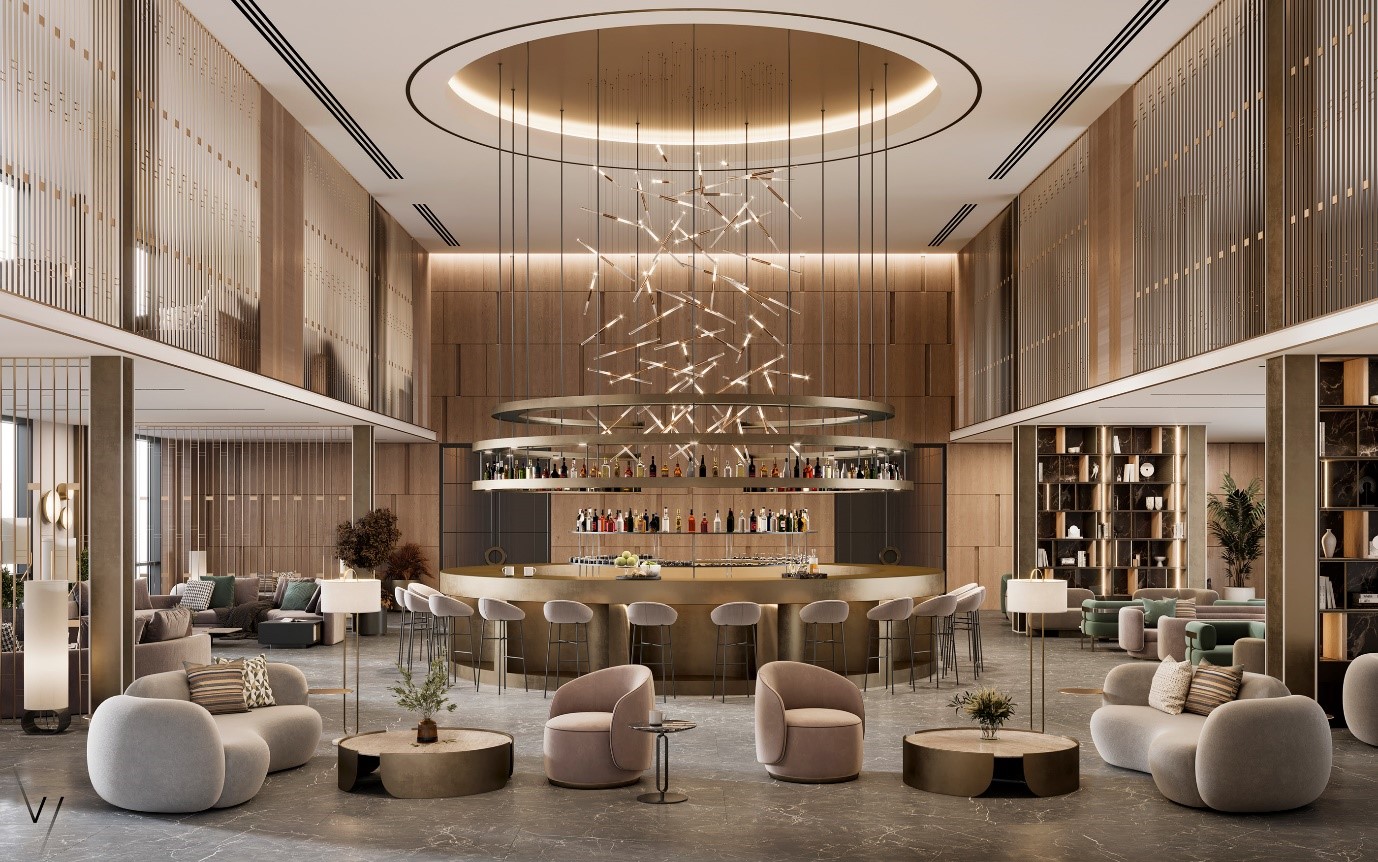
We provide a complete solutions for Lobby & Reception Area, Guest Rooms, Suites / Premium Rooms, Restaurant / Bar, Conference / Banquet Halls, Spa / Wellness Center, Corridors and Lift Lobbies

Interior Design for Retail Stores
Designing interiors for retail stores is about more than aesthetics — it's a strategic tool to attract customers, enhance their experience, and drive sales. A successful retail environment reflects the brand identity, encourages product discovery, and subtly influences consumer behavior.
Design Objectives
- Attract attention and increase footfall.
- Guide customer flow and product interaction through layout and lighting.
- Promote brand identity through materials, colors, and display styles.
- Ensure security, comfort, and ease of navigation.
- Optimize product visibility and accessibility.
Storefront / Entrance, Display Zones (Product Shelving & Racks), Point of Sale (Billing Counter), Trial Rooms (Apparel Stores) Back Office / Storage, Customer Circulation Path